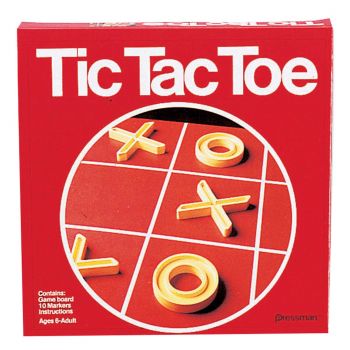
Game Overview and Appeal
Tic Tac Toe is a classic paper and pencil contest that has been adapted for countless digital platforms. The game pits two participants against each other on a three by three grid. One player marks the squares with a cross while the other uses a circle. The objective is to place three of the same symbol in a straight line either horizontally, vertically, or diagonally before the opponent can do the same.
Despite its simple appearance the game offers a surprising depth of strategic thought. New players can grasp the rules within a few minutes, yet seasoned competitors discover subtle patterns that can turn a seemingly even match into a decisive victory. This balance of accessibility and challenge makes Tic Tac Toe a popular choice for casual sessions, quick breaks, and even as a teaching tool for basic logical reasoning.
How to Play the Digital Version
When you launch a Tic Tac Toe app or website you will typically see an empty grid and a prompt indicating which symbol you will use. The interface is designed for mouse clicks or touch taps. Selecting an empty square places your chosen symbol in that location. After your move the opponent, whether a human friend or a computer opponent, will take their turn.
The game continues until one of three outcomes is reached. The first outcome is a win for the player who aligns three symbols in a row. The second outcome is a win for the opponent under the same condition. The third outcome is a draw when all nine squares are filled and no player has achieved a line of three. Most digital versions will automatically announce the result and offer the option to start a new match.
Effective Strategies for Consistent Wins
Control the Center Square
The middle cell of the grid provides the greatest number of potential winning lines. Securing this square on your first turn gives you the most opportunities to create a line while also limiting the opponent’s options. If the center is already taken, aim for a corner position to maintain flexibility.
Watch for Fork Opportunities
A fork occurs when a player creates two separate lines that each need only one additional symbol to win. By establishing a fork you force the opponent to block one line while the other remains open for a victory on the next turn. Recognising fork patterns early can turn a balanced game into a swift win.
Block Opponent Threats Promptly
When the opponent places two of their symbols in a line you must place your symbol in the remaining empty square of that line. Failure to block at this stage results in an immediate loss. Constantly scan the board for two‑in‑a‑row configurations and respond without hesitation.
Plan Ahead with Simple Sequences
Even though the board is small, thinking two moves ahead can be decisive. Visualise where your next move will place you in a position to either win or create a fork. Anticipating the opponent’s response helps you avoid traps and maintain control of the game flow.
Variations and Replay Value
Many online platforms offer alternative board sizes such as four by four or five by five grids. These larger versions increase the complexity and extend the length of each match. Some adaptations introduce themes, sound effects, or animated symbols that add visual interest without altering the core rules.
Replay value is further enhanced by the ability to play against different difficulty levels. Beginner settings provide generous error margins, allowing new players to learn without frustration. Advanced settings challenge experienced players with optimal computer strategies that rarely make a mistake. The variety of opponent skill levels ensures that each session feels fresh.
Frequently Asked Questions
Can I play Tic Tac Toe without an internet connection?
Yes many mobile applications and desktop programs allow offline play. Once the app is installed you can start a match at any time without needing a network connection.
Is there a guaranteed way to win every game?
If both participants understand the optimal strategies the game will often end in a draw. However a player who consistently follows the center, fork, and block principles will win the majority of matches against opponents who are unfamiliar with these tactics.
What is the best first move for a new player?
The most advantageous opening move is to place your symbol in the center square. If the center is already occupied the next best choice is a corner cell.
How does the computer opponent decide its moves?
Most digital versions use a simple algorithm that evaluates all possible board states and selects the move that either secures a win or prevents a loss. Higher difficulty levels employ more exhaustive calculations that mimic perfect play.
Can I customize the symbols used in the game?
Many platforms allow you to choose from a selection of icons or colors for the cross and circle. Customisation options are usually found in the settings menu before you start a match.